 AURALINK
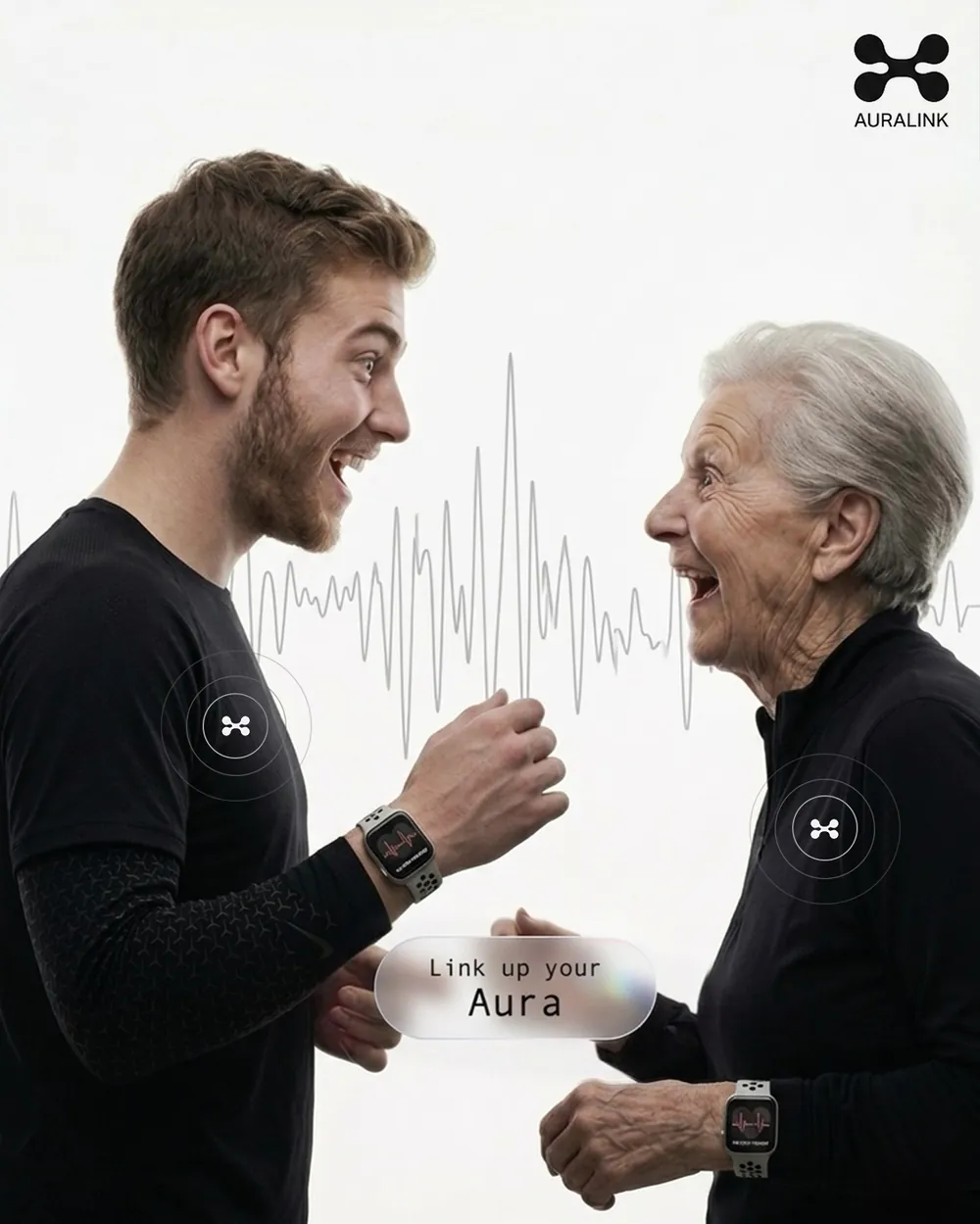
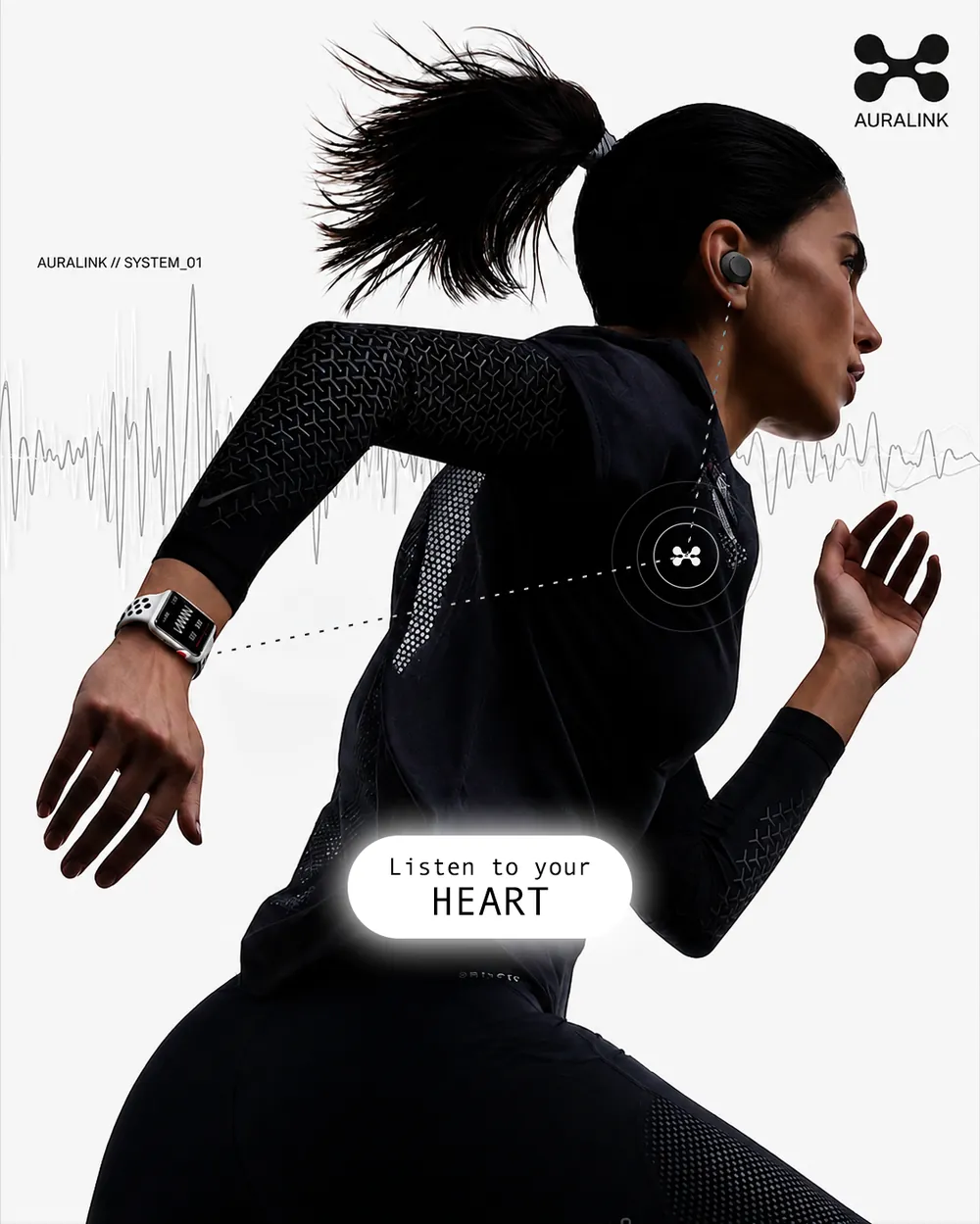
AURALINK turns the human body into the instrument. Heart rate, breath, and shared physiological rhythm become the live input to a generative composition engine — designed to make musical expression accessible to anyone with a pulse, and to replace the anxiety of a hospital monitor's beep with music written by the patient's own body.
01. Overview
Music as a Biological Output, Not a Static MediumMusic has historically required two things of its maker: trained motor skill and access to an instrument. AURALINK removes both requirements. It is a bioadaptive instrument that transforms real-time physiological signal — starting with heart rate, and architecturally designed to extend to breath, movement, muscle tension, and brainwave activity — into generative, evolving musical structure. The body itself becomes the instrument; existing is the act of composition.
The motivating use case is deliberately broad. A bedridden patient, a person with a motor disability, an anxious child before a medical procedure, an elderly person separated from their grandchild by distance — none of them can necessarily play a piano. All of them have a heartbeat. AURALINK is built on the premise that musical expression should not require the body to perform anything beyond being alive.
The project originated as a concept by Java Roque (Javier Roqueni), and was built into a working demo by a cross-disciplinary team at the Berklee Music Hackathon in Boston, sponsored by Google DeepMind and Ableton. The team pitched the live system to the Google DeepMind team on-site and received strong, specific feedback that has directly shaped the project's current research direction — detailed in §4. AURALINK is now in active R&D, with a formal academic submission under review at a peer-reviewed conference on music, medicine, and science (§6).
02. The Architecture
Real-Time Bio-Mutation — From Heartbeat to ScoreThe hackathon build engineered a complete, low-latency pipeline from raw human vitals to generative audio output. Three stages compose the system:
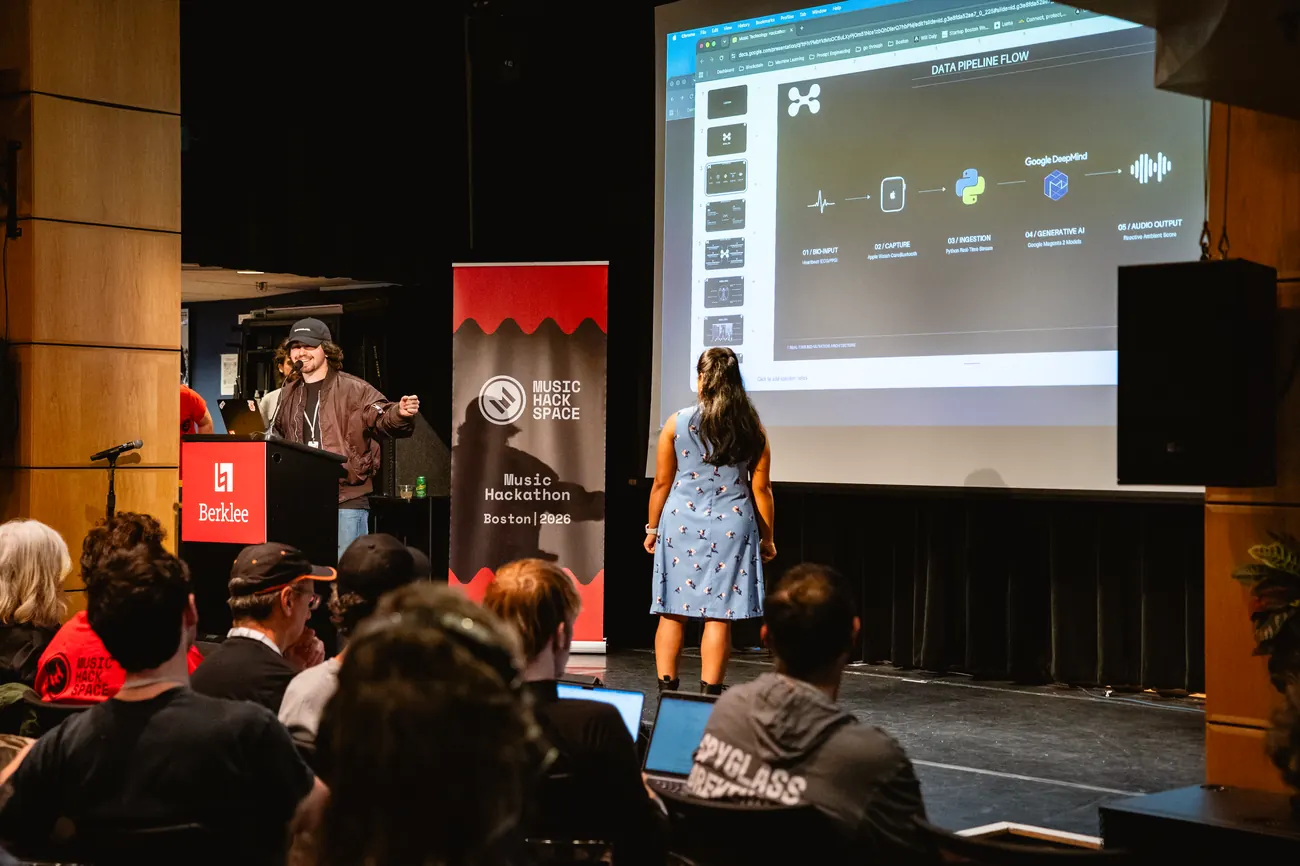
The system runs end-to-end on consumer hardware: a laptop, a wrist-worn or chest-worn heart rate sensor, and standard audio output. No clinical-grade or custom hardware is required for the core experience, which is a deliberate design constraint — accessibility depends on the system working outside a lab.
03. Core Capabilities
The Interpersonal & Clinical EngineAt the heart of AURALINK is the mapping of raw physiological data into emotional and clinical resonance. Four capabilities define the current system:
Capability [03] and [04] together constitute AURALINK's most distinctive proposition: it is not a single-user biofeedback toy, but a system for relational sound. Two people's physiological states, tracked concurrently, produce a shared composition that exists only because both of them exist in that moment — a duet that neither party can perform alone, and that requires no musical training from either.
04. From Hackathon to Peer Review
Validation Arc — Building, Pitching, and the Honest ResultAURALINK's first working build was completed in roughly 36 hours at the Berklee Music Hackathon in Boston, under the sponsorship of Google DeepMind and Ableton. The team — spanning music composition, clinical neuroscience, and applied AI backgrounds — built the full bio-capture-to-audio pipeline live and pitched the working demo on stage to the Google DeepMind team in attendance.
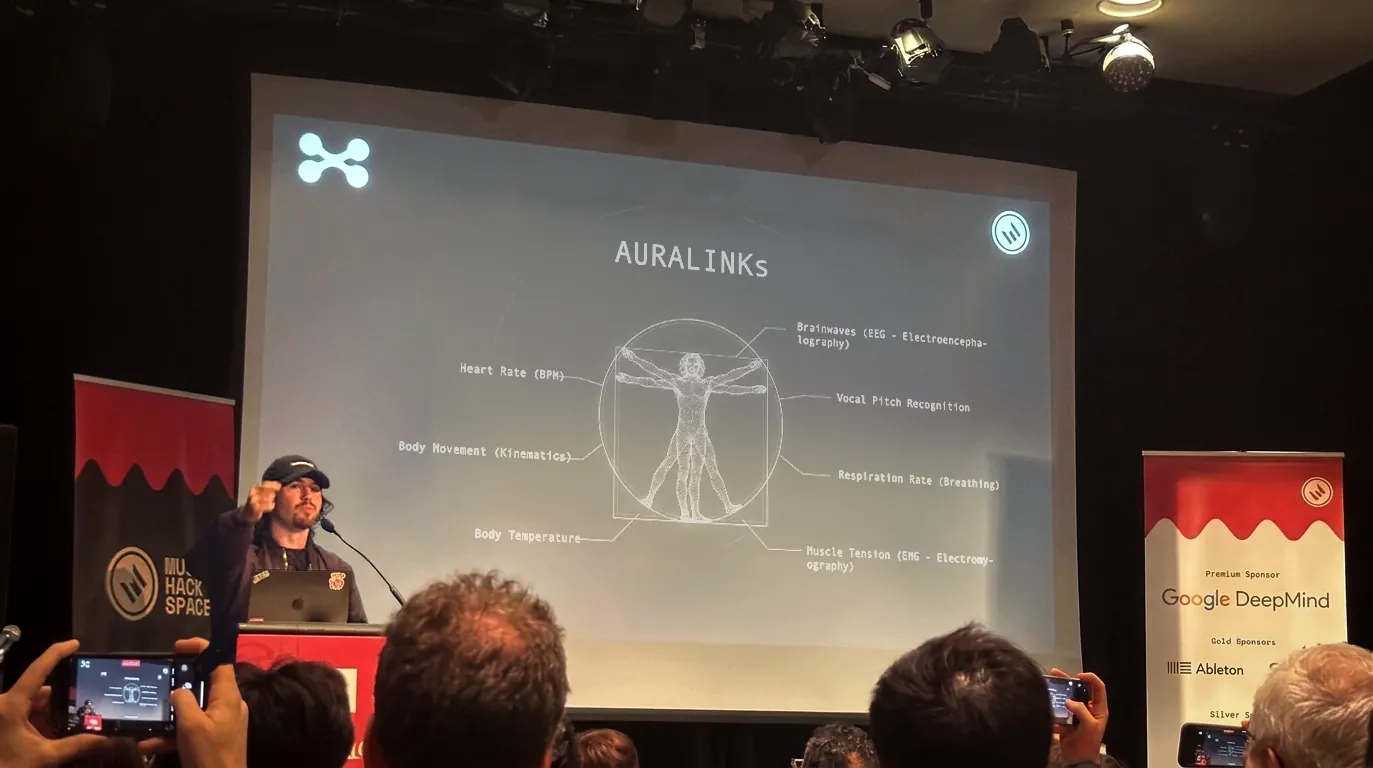
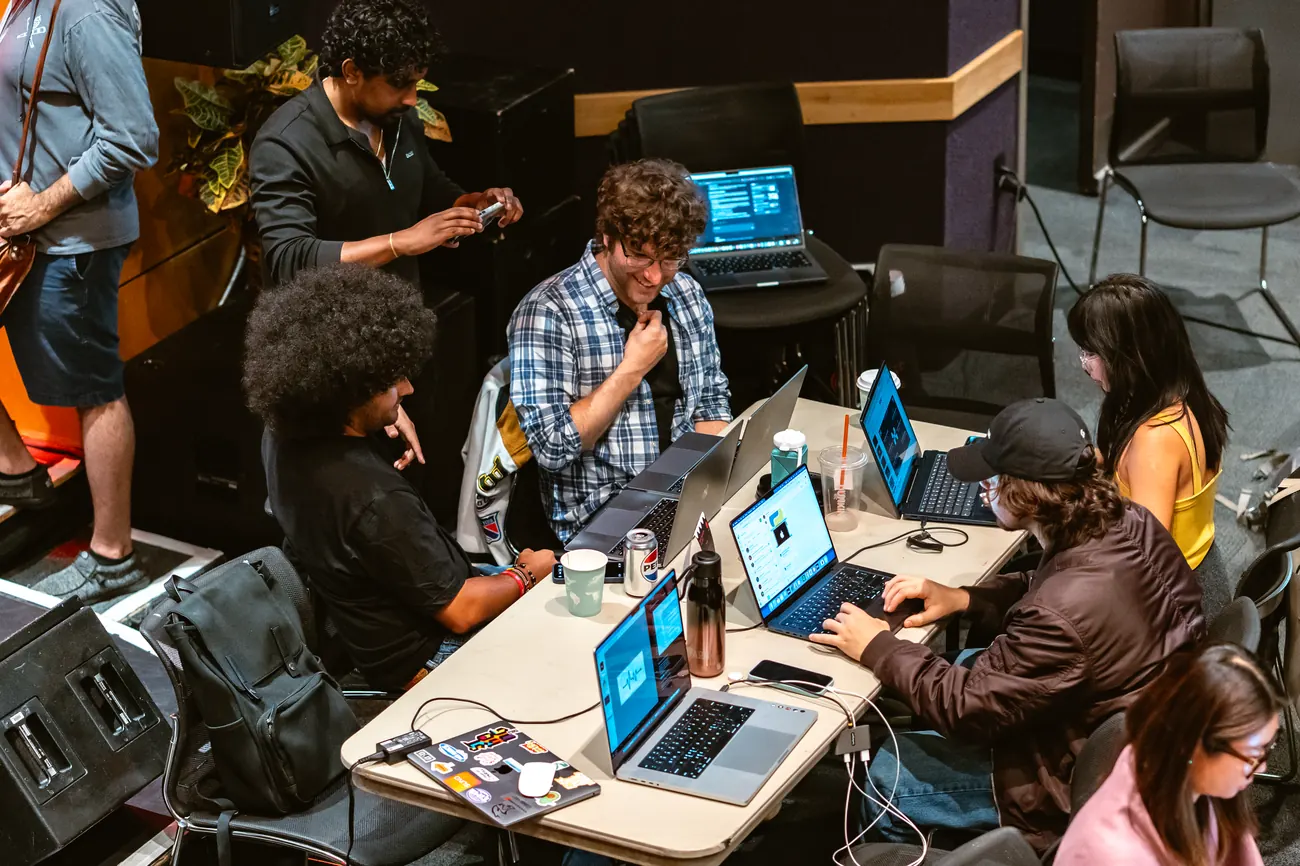
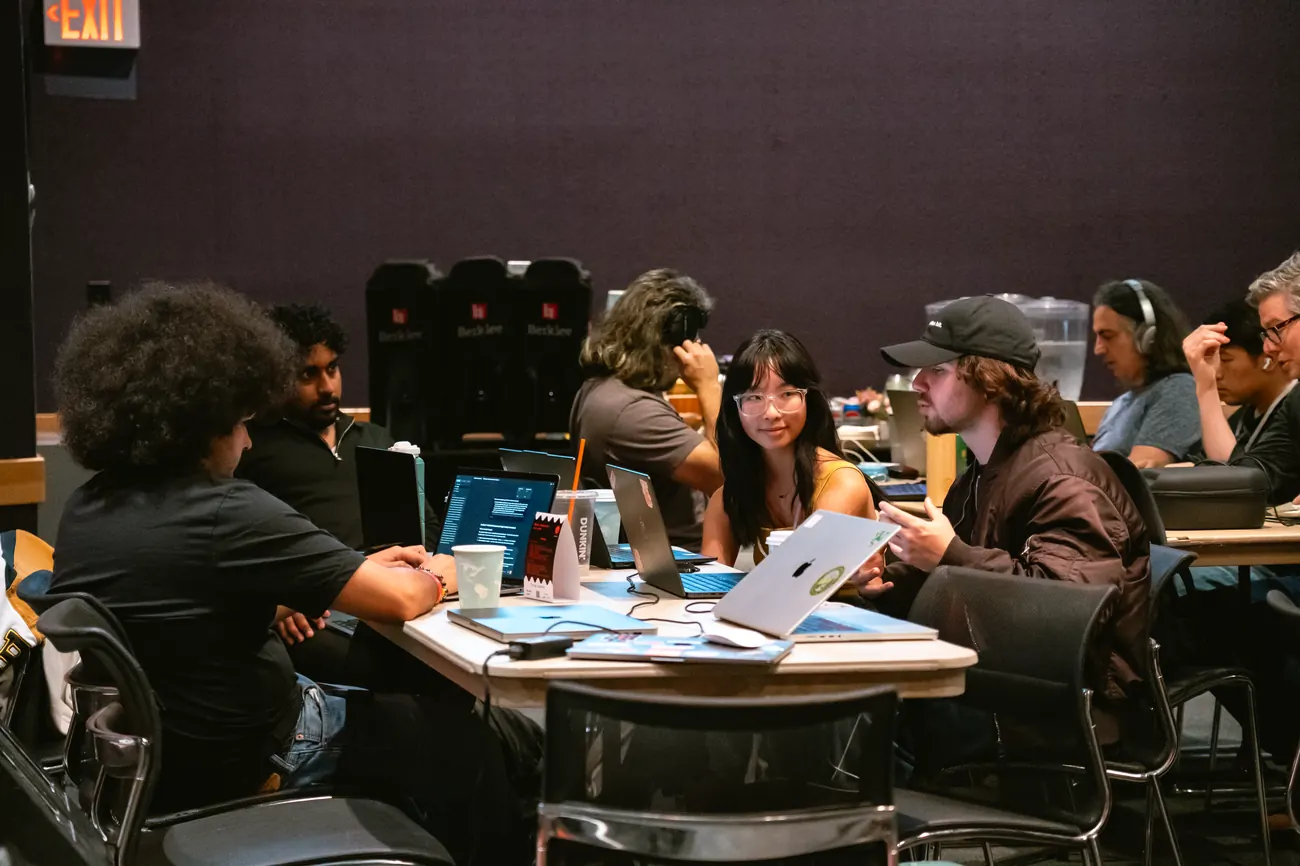
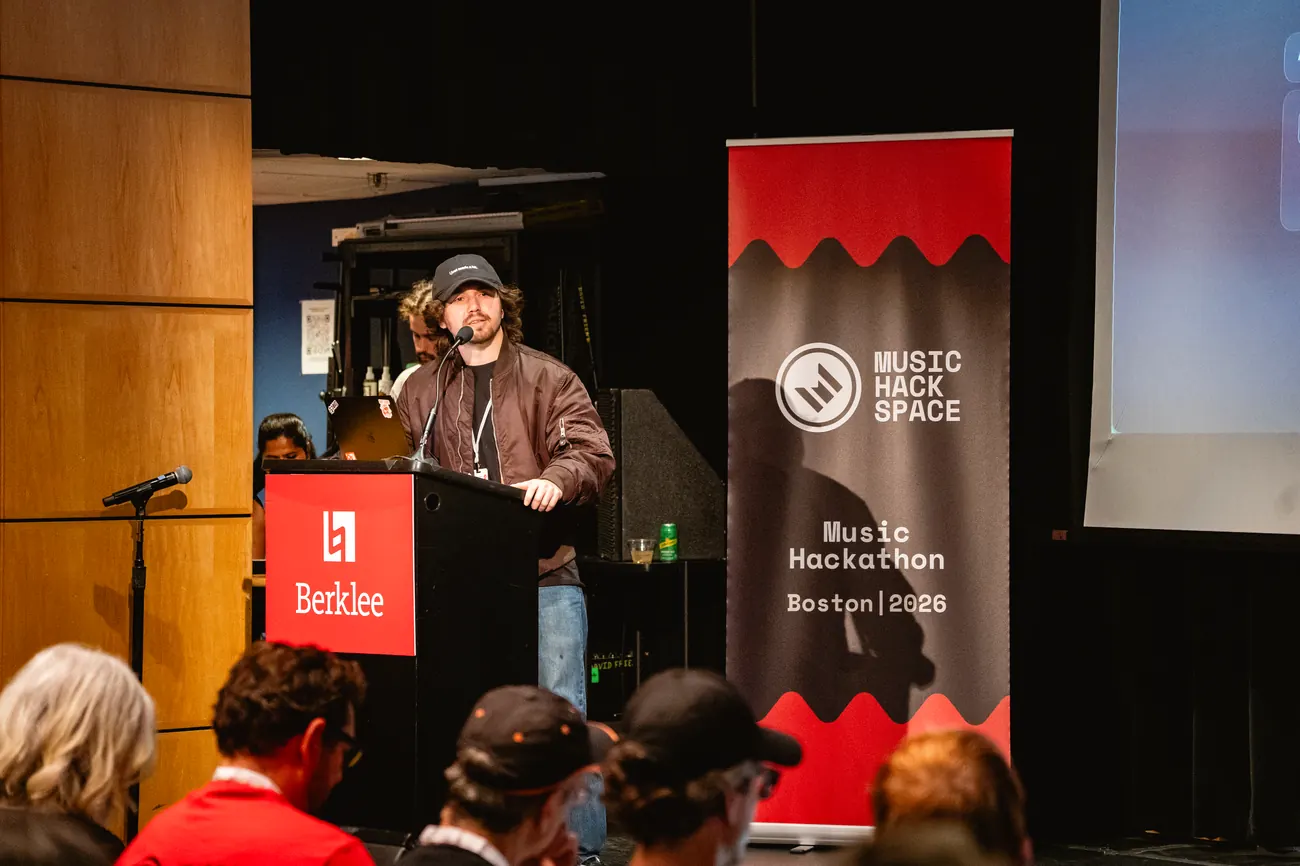
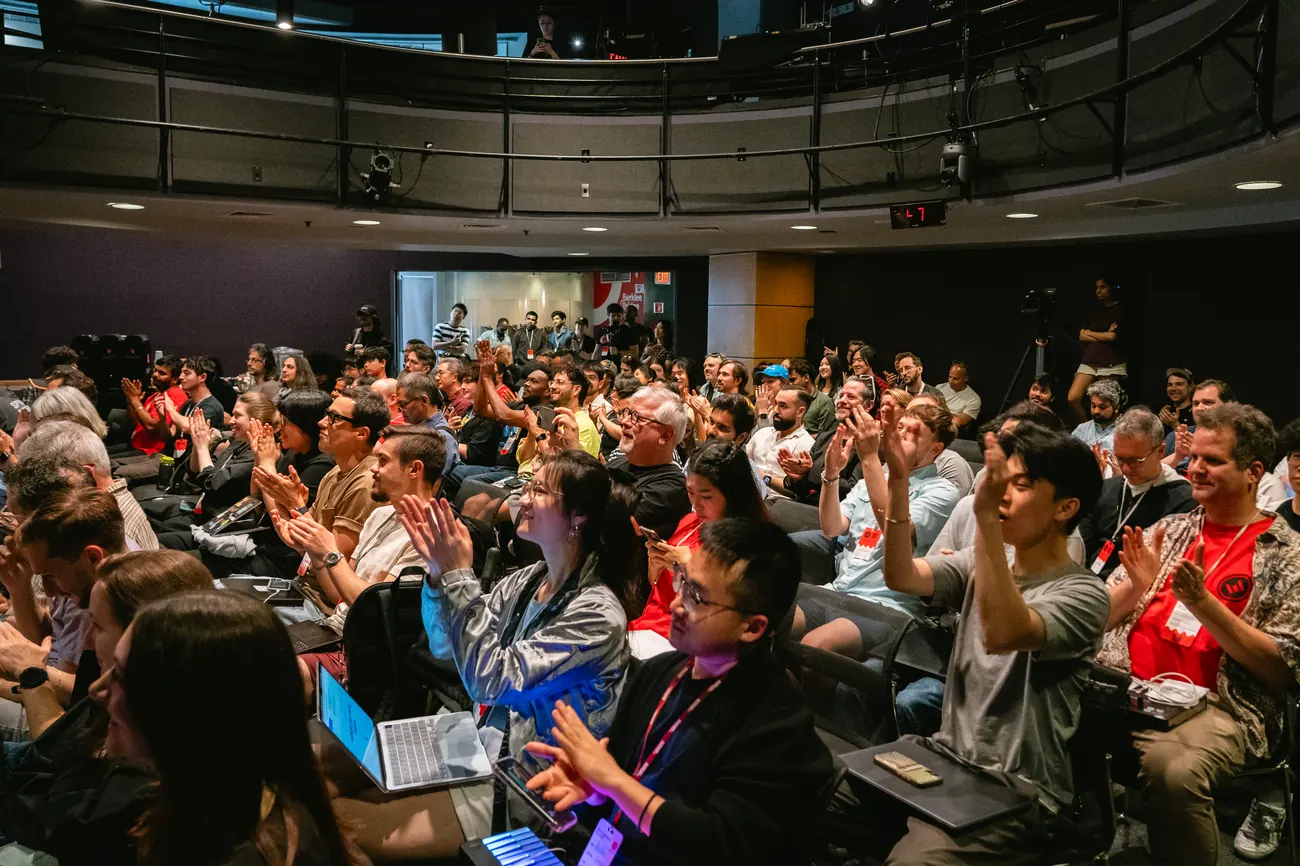
The feedback from the Google DeepMind team was direct and specific — and it surfaced a real engineering tradeoff that now defines the project's R&D direction. The hackathon prototype, which used Magenta RealTime 2 to compose all audio live from heart rate input, proved the concept worked: pulse could drive a coherent, evolving score in real time. But the generative audio quality lagged behind what a clinical or wellness deployment would need to feel trustworthy and pleasant on first listen.
The Team
AURALINK was built by a five-person, cross-disciplinary team spanning music composition, clinical neuroscience, and applied AI — including a Harvard Medical School researcher whose involvement grounds the project's clinical framing in real biomedical research, not just intuition.
| Name | Role | Affiliation |
|---|---|---|
| Javier Roqueñi (Java Roque) | Composer & Producer — Concept Lead | Berklee College of Music; SAE Institute (Audio Engineering), Mexico |
| Dr. Anees Kazi | AI & Clinical Neuroscience Research | Harvard Medical School · Massachusetts General Brigham |
| Will Daly | Graduate Researcher — AI / Biofeedback Synthesis | Northeastern University |
| Linh Le | Web & App Development | University of the People |
| Dania Myers | Front-End Development | Full-Stack Coding Program |
05. Applications
Six Use Domains — Bridging Art, Medicine, and Human PerformanceTwo applications anchor the project's clinical ambition. In hospital settings, AURALINK is designed to protect the mental health of long-term patients — replacing the anxiety-inducing beep of a vitals monitor with a personalized, ambient score generated from the patient's own physiology. And in interpersonal use, it offers loved ones — separated by distance, ability, or circumstance — a way to connect their biometrics and hear another person's emotional state directly, without words.
06. Simulation
Live Tempo Mapping and Two-Heart PolyrhythmPart A — The Temporal Master
The simulation below demonstrates AURALINK's core mapping: a live cardiac waveform driving musical tempo and compositional intensity directly. Drag the slider to change the simulated heart rate and watch the system's generative state respond — exactly as the live pipeline does with real biometric input.
Part B — Harmonic Interaction: Two-Heart Polyrhythm
This visualization renders AURALINK's relational core: two independently adjustable heart rates, tracked concurrently, generating the polyrhythmic relationship between them. Set each user's BPM to see the resulting rhythmic ratio — the structure of the "musical dialogue" the system would compose between two connected people.
07. Research Foundation & Team
From Demo to Peer-Reviewed SubmissionFollowing the hackathon, the project's clinical and interoceptive-awareness potential was developed into a formal research submission, refining the Magenta-RealTime-2 prototype into an architecture better suited to clinical and wellness deployment: a Polar H10 chest strap streaming heart rate over Bluetooth into Ableton Live, where the HeartSync plugin (Conscious Audio) maps pulse to tempo against musical material composed in advance to remain coherent across the full resting-to-active tempo range.
The submission's reported finding, in the authors' words: hearing music locked to one's own pulse, in informal self-testing, "heightened awareness of the heartbeat," suggesting promise as an accessible interoceptive-awareness tool relevant to anxiety management, meditation, and music therapy. The team proposes a live conference demonstration — letting attendees hear their own cardiac rhythm as music — alongside discussion of extensions mapping heart-rate variability (HRV) to musical intensity, and planned pilot observations of interoceptive awareness.
08. Status & Roadmap
Current Phase — R&D and Open Collaboration| Milestone | Status |
|---|---|
| Concept and creative direction | Complete — Java Roque |
| Hackathon prototype (Magenta RealTime 2 pipeline) | Complete — Berklee Music Hackathon 2026 |
| Live pitch to Google DeepMind team | Complete — positive, specific feedback received |
| Clinical-grade prototype (Polar H10 / Ableton / HeartSync) | In progress |
| Academic submission — HARMONICS 2026 | Submitted, under review |
| HRV-mapped musical intensity | Planned extension |
| Pilot observations of interoceptive awareness | Planned |
| Multi-modal biometric input (EEG, EMG, respiration) | Architecturally planned, not yet built |
AURALINK is presented here as an active research project, not a finished product. The path forward runs through clinical pilot testing, refinement of the tempo-mapping engine for musical robustness across a full physiological range, and expansion of the sensing layer beyond heart rate toward the full multi-modal vision sketched in the original concept — breath, movement, muscle tension, and brain activity, each contributing to a single bio-adaptive score. The project remains open to collaboration with researchers in clinical neuroscience, generative audio, and human-computer interaction.