Puerta is a 4-minute and 30-second experimental music film — a meditation on existence rendered entirely through still images animated into motion: the ancient art of stop-motion, reclaimed for a contemporary dialogue between music and the archive of human civilization.
Through the language of stop-motion pictures set to an original score, Puerta opens a door — not a metaphor, but a genuine threshold. On one side: the familiar. On the other: the full, dizzying depth of what it means to exist inside a universe that began long before us and will continue long after. The film moves through geology and anatomy, through the geometry of natural forms and the chaos of deep history, building an audiovisual argument that is felt before it is understood.
Java Roque composed the music, conceived the visual narrative, and directed the creative process from its first frame to its last — fusing the roles of composer, producer, researcher, and director into a single, coherent vision. The result is a film that does not separate sound from image: the score is not a soundtrack to the visuals, and the visuals are not illustrations of the music. They are the same object, rendered in two languages simultaneously.
What does a door sound like? What does it look like when the universe opens one for you — and you have exactly four and a half minutes to step through?
Puerta does not explain itself. It does not narrate. It places the viewer at the threshold and asks them to cross — leaving behind the comfortable categories of documentary, music video, and experimental cinema, and entering a space where all three have dissolved into something harder to name and easier to feel.
There are no cameras pointed at a set. No actors. No studio lighting. Every single frame of Puerta was assembled from existing images — sourced through an exhaustive, months-long process of deep archival research across digital libraries, institutional repositories, and scientific image collections from across the world.
This is not a collage in the casual sense of the word. It is an act of radical curation — the belief that the raw material of human knowledge, when arranged with sufficient intention and set to the right frequencies, becomes something categorically new. Java Roque approached the archives the way a composer approaches a library of instruments: looking not for what things are, but for what they can become when placed next to each other in time and sound.
The research process reached into medical illustration archives, natural history collections, historical photograph repositories, scientific visualization databases, and the image banks of institutions whose entire mission is to document the world in its most precise and unguarded forms. Among the sources: NASA. Java Roque formally requested permission to use images from NASA's archives for the film. The answer was yes — a collaboration between one artist's vision and the entire visual legacy of humanity's reach into space.
When you take an image of the surface of Saturn, set it next to a diagram of the human lung, and let a piece of music run beneath both of them at exactly the right tempo — what are you saying? Everything. You are saying everything at once.
The film's thematic territory — history, anatomy, death, evolution, nature, life, space — was not predetermined as a list of subjects. It emerged from the archives themselves: from the patterns that surfaced when thousands of images were pulled, examined, rejected, held, and finally placed in sequence. The film is, in this sense, an argument the archives made on their own — one that Java Roque heard, transcribed, and set to music.
The stop-motion technique gave this found material a physical pulse. Each image does not simply appear on screen — it lands, advances, gives way. The rhythm of the cut is the rhythm of the score, and both rhythms are the same rhythm as the subject matter: life moving forward through its own forms, frame by frame, until the door opens.
The visual collaborators @yioshi.visuals and @palabrazvisuales joined the process to help manifest the vision technically — bringing their craft to bear on a project whose ambition required more than one pair of hands. The fusion between Java's concept and their execution is seamless: the film feels assembled by a single consciousness, even where it took a team to build it.
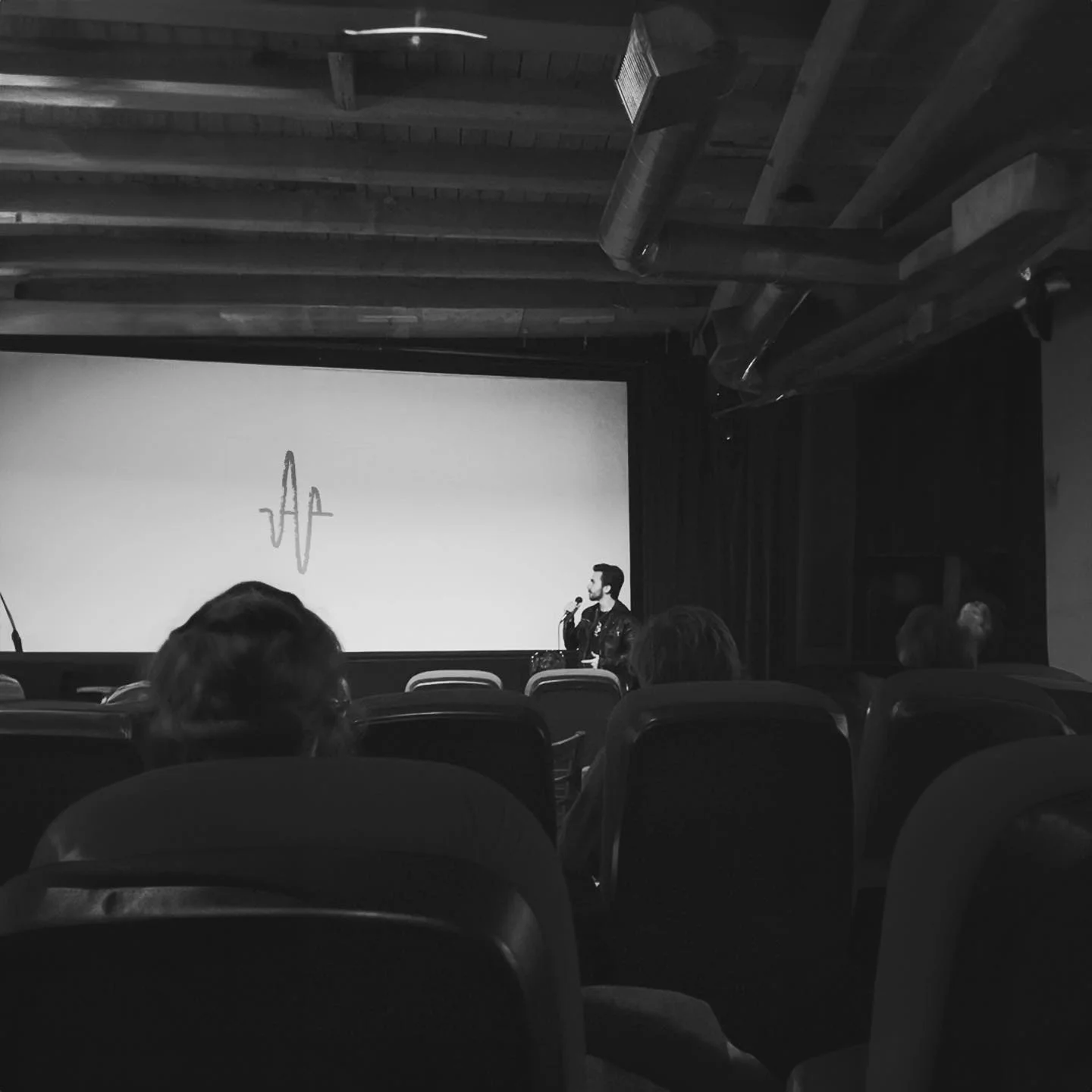
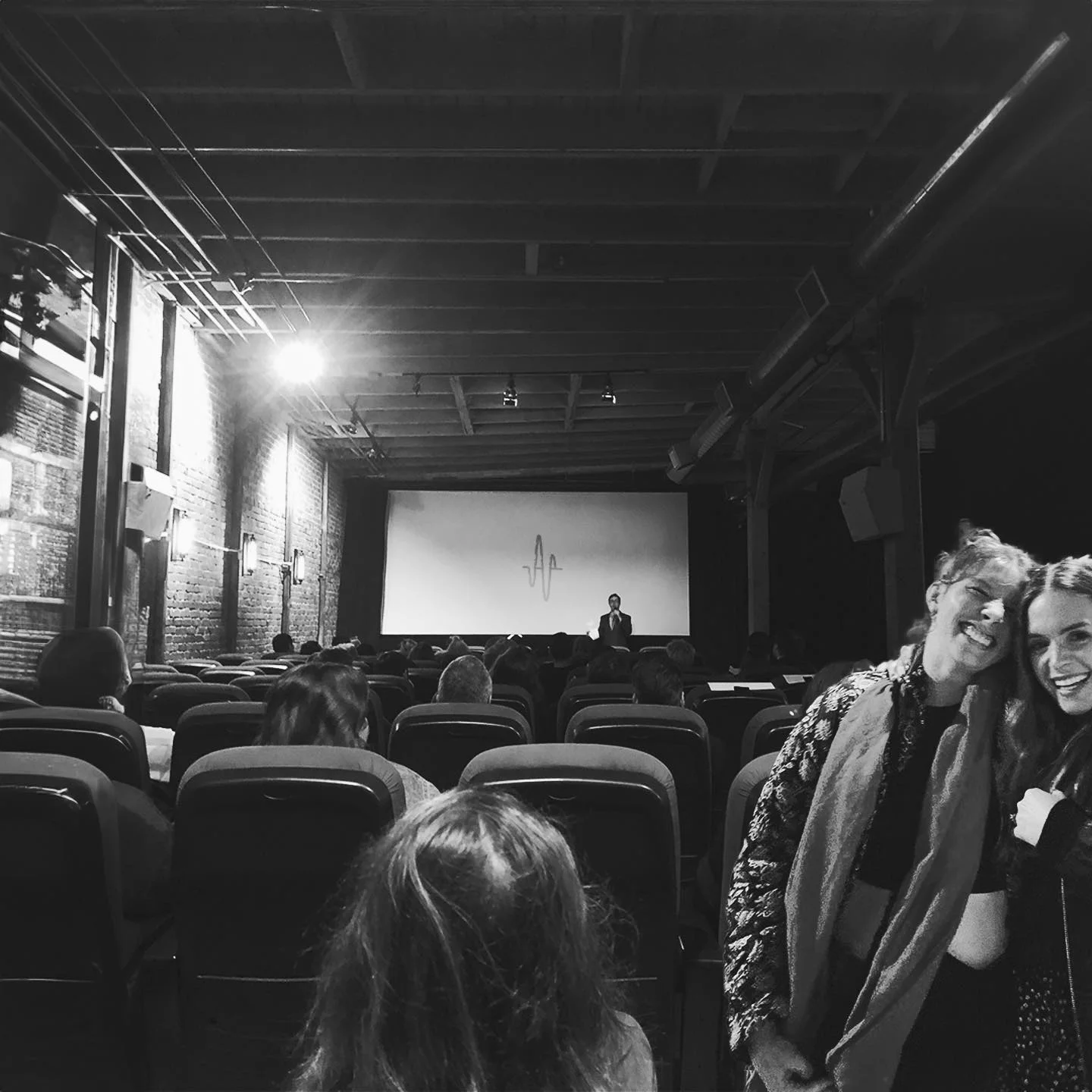
Before Puerta belonged to the internet, it belonged to rooms full of people who watched it in the dark and felt it move through them. Two live premieres — one in Los Angeles, one in Mexico City — before the global digital release.
The Los Angeles premiere at Secret Movie Club placed Puerta in front of one of the city's most discerning experimental film audiences — a legendary screening series known for championing work that refuses easy categorization. The room responded. That night was the beginning of a conversation with the film that has not stopped since.
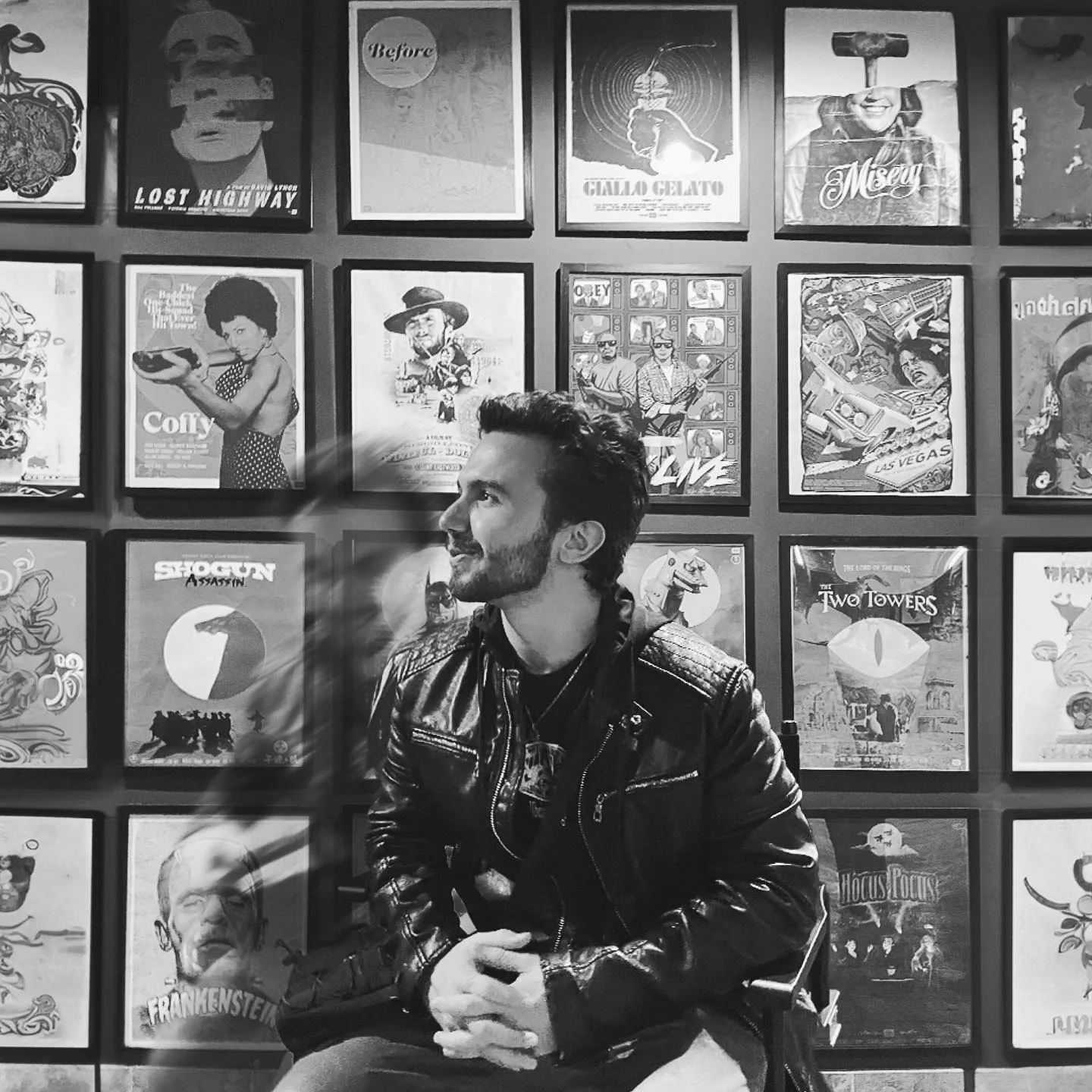
The Mexico City screening at Hule brought the film home — to a space where old friendships and new encounters collided in the dark around a shared experience. Java described it as unforgettable. The kind of night that reminds you why you make things at all.
What does it mean to premiere a film twice, in two cities, before releasing it to the world? It means the work was made for rooms first — for the experience of watching together, breathing the same air, feeling the same frequencies move through the same space at the same time.
Puerta won first place at the 2025 Secret Movie Club Short Film Festival in Los Angeles — the same city where it had its world premiere one year earlier. The recognition came from a festival whose curatorial standards are built on the refusal to reward the safe or the predictable.
For a film assembled entirely from archival images, driven by an original score, and rooted in the most fundamental questions a human being can ask — this recognition is something more than a trophy. It is confirmation that the language of Puerta is legible. That the door opened, and people walked through it.
The award belongs equally to the ambition of the concept and to the discipline of its execution: to the months of archival research, to the decision to let the images speak without narration or explanation, to the score that held every frame in place while asking questions no frame could answer on its own. It belongs to the vision — and to the commitment to see that vision through without compromise.